
Sapphire Technique: The Modern Solution to Restore Hair Even in Advanced Baldness Cases
Sapphire technique is considered one of the latest methods used in the field of hair transplantation, and it has become one of the most advanced and in-demand techniques in specialized clinics around the world. This technique relies on the use of highly precise tools that help achieve natural results and higher hair density compared to traditional hair transplant methods.
Sapphire technique is used to treat various degrees of hair loss, ranging from mild cases to advanced baldness. Many patients who suffer from large bald areas can benefit from this technique, as the high precision in channel opening allows for the implantation of a greater number of grafts in the targeted area. It also enables a well-planned distribution of grafts, giving the hair a natural and harmonious appearance after growth.
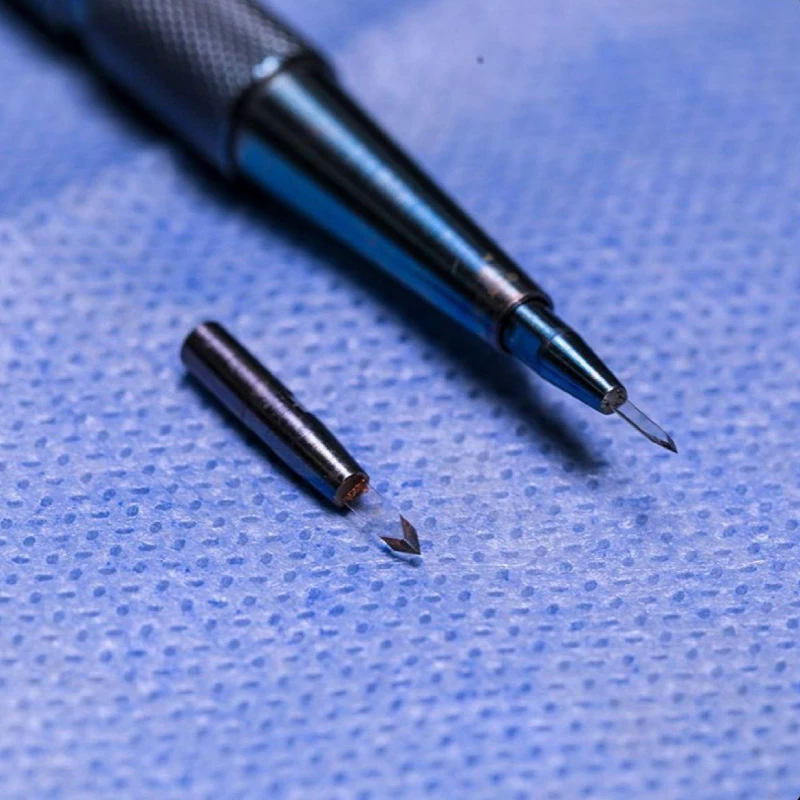
This technique depends on the use of special blades made from natural sapphire stone to open channels in the scalp. These blades are characterized by high hardness and fine smoothness. These properties help create small and uniform channels in the scalp, reducing damage to surrounding tissues and contributing to faster recovery after the procedure. This precision also helps determine the direction and angle of hair growth in a way that mimics natural hair growth.

Hair Transplant Consultation: The Right Start for Natural Results
Before undergoing a Sapphire hair transplant, the specialist doctor conducts a detailed consultation and examination to evaluate the patient’s condition. During this stage, the cause of hair loss and the degree of baldness are determined, in addition to examining the donor area from which the grafts will be taken, usually from the back or sides of the scalp.
During this consultation, the area that requires transplantation is also identified, and the number of grafts needed to achieve the desired result is estimated. The doctor also takes into consideration several important factors such as the density of hair in the donor area, the patient’s age, and the design of the frontal hairline that suits the facial features. Based on these factors, a precise treatment plan is developed to achieve the best possible result in a natural and harmonious way.
Stages of the Sapphire Hair Transplant
The Sapphire hair transplant procedure goes through several essential stages, each performed with high precision to ensure the success of the procedure and achieve the best results.
Frequently Asked Questions
DHI Hair Transplant: The Modern Solution to Restore Hair Density and Treat Hair Gaps
DHI technique is considered one of the latest advanced methods in the field of hair transplantation, and it has become a popular choice among many patients who want to increase their hair density naturally without resorting to complete hair shaving. This technique relies on the use of precise medical pens known as DHI pens or Choi Implanter Pen, which allow direct implantation of hair follicles into the scalp with high accuracy.
DHI technique is especially used for individuals who suffer from gaps between hair or low density, not only in cases of complete baldness. Many patients have natural hair in certain areas of the scalp but experience noticeable thinning or gaps, and this is where this technique becomes highly effective. Thanks to these precise pens, the doctor can implant new follicles between existing hair without causing any damage to the natural follicles.
This technique is characterized by the fact that the pens used allow precise insertion of the follicle into the scalp, making the procedure safer and preserving existing hair. One of the main advantages of the DHI technique is that it is often performed without the need for complete hair shaving, making it a suitable option for individuals who prefer a more discreet procedure while maintaining their natural appearance after the treatment.
Hair Transplant Consultation: The Right Start for Natural Results
Before undergoing a DHI hair transplant, the specialist doctor conducts a detailed consultation and examination to evaluate the patient’s condition. During this stage, the scalp is examined to identify areas with gaps or low hair density.
The donor area, from which the follicles will be extracted, is also evaluated. It is usually located at the back of the head, where the follicles are stronger and more resistant to hair loss. During this consultation, the doctor also determines the number of grafts required to achieve suitable density, in addition to designing the hairline in a way that suits the facial features to ensure natural and harmonious results.
Stages of the DHI Hair Transplant
The DHI hair transplant procedure goes through several essential stages, performed with high precision to ensure the success of the procedure and achieve the best results.